

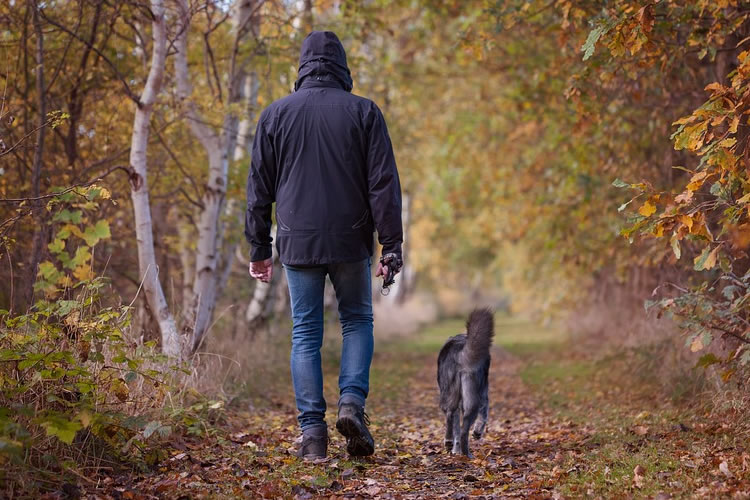
 Senior dogs need a little more from us than they used to. They slow down, sleep more, and their bodies start showing signs of wear that weren’t there a few years ago. A twice-yearly vet visit is a given — AAHA recommends at least that often for senior dogs — and bloodwork at those visits is important too, since a lot can change internally before you’d notice anything on the outside. But a lot happens between appointments. Knowing what to watch for and how to stay ahead of it makes a real difference in how comfortable your dog’s golden years actually are.
Keep Them Moving
It’s tempting to let a senior dog sleep as much as they want. They earned it, right? But exercise is one of the best things you can do for an aging dog, even if it looks different than it used to. Without regular activity, their muscles weaken, their joints stiffen, and their minds start to dull. Movement keeps all of that at bay. It reduces inflammation, promotes healing, aids digestion, and helps maintain a healthy weight.
The key is keeping it gentle. Start with short, flat walks. 10 to 15 minutes is plenty. Avoid rocky or hilly terrain that could strain their joints or lead to a stumble. Swimming is another great option at any age, easy on the body and surprisingly tiring in a good way. If your dog is reluctant to move, don’t push it. Pain is usually the reason.
Take Care of Their Joints
Stiffness, slower walks, trouble getting up, reluctance to climb stairs — if any of these sound familiar, arthritis might be the culprit. It’s one of the most common issues in senior dogs, and it’s painful. Keeping your dog at a healthy weight and making sure they get regular but gentle exercise goes a long way toward keeping joints supple.
Beyond that, joint supplements can genuinely help. Look for ones containing glucosamine, chondroitin, and MSM. These ingredients have solid evidence behind them for joint health. We’ve had two senior dogs in the past five years, and the difference we noticed once they were both on a joint supplement was hard to miss. Longer walks, easier mornings, more energy overall. Certain breeds — German shepherds, Labs, dachshunds — are especially prone to joint issues, so it can be worth starting them on a supplement earlier rather than waiting for the signs to show up. Around the house, small things help too. A ramp or steps instead of jumping on and off furniture or out of the car takes the strain off, and an orthopedic bed makes a real difference for dogs that are stiff in the mornings.
Omega-3 fatty acids are another one worth looking into. They’re great for joint health, but the catch is that they’re heat and light sensitive, so the omega-3s listed on commercial dog food labels have usually been destroyed during processing. A dedicated omega-3 supplement for dogs is the way to actually get the benefit. Beyond joints, omega-3s also support skin, eyes, brain health, and can help with allergies. We’ve written more about the benefits


