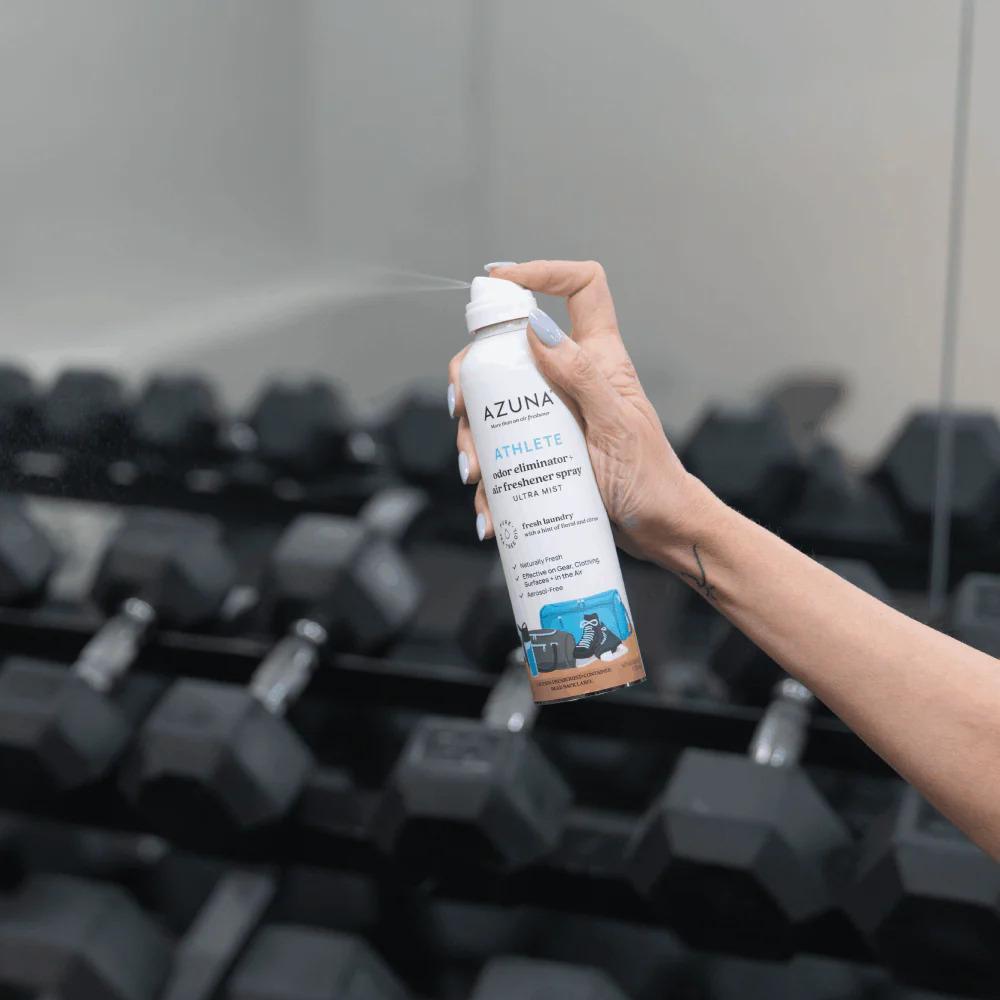
 Every home has its own smell. Some of it is pleasant: fresh laundry, a good meal, morning coffee. But underneath the everyday rhythms of a lived-in house, odors accumulate in ways that are easy to ignore. Pet smells, cooking odors, basement mustiness, and bathroom staleness gradually settle deep into surfaces, fabrics, and air.
The conventional answer has always been to add more fragrance on top. Spray something, plug something in, light a candle. But covering a smell and actually removing it are two very different things, and for anyone who’s tried to deal with a genuinely persistent odor, the difference becomes obvious fast.
Why Most Air Fresheners Don’t Actually Fix the Problem
Here’s the uncomfortable reality: many of the products designed to make your home smell better are contributing to the very problem they claim to solve. The EPA estimates that indoor air can be two to five times more polluted than outdoor air, and conventional air fresheners (aerosols, plug-ins, heavily fragranced sprays) are often part of that equation. Many emit volatile organic compounds including formaldehyde and phthalates, which are known contributors to indoor air pollution and linked to respiratory irritation and other health concerns.
That’s not a reason to panic, but it is a reason to look more carefully at what you’re reaching for when a room doesn’t smell right. The best approach to home odor removal isn’t adding more chemistry to the air. It’s getting to the source of what’s causing the smell in the first place.
Start With the Source, Not the Symptom
Before any product can do its job effectively, it helps to understand what’s actually causing the odor. Most persistent household smells fall into a few categories:
Musty and damp odors: Common in basements, bathrooms, and laundry areas, anywhere humidity accumulates and air circulation is limited.
Pet odors: Dander, accidents, grooming areas, and bedding all contribute to a layered odor profile that builds over time in high-traffic pet areas.
Cooking smells: Oils, proteins, and spices release compounds that cling to surfaces and fabrics long after the meal is done.
Stale air: Enclosed spaces with limited ventilation, like closets, basements, and storage rooms, develop a staleness that no amount of spraying can fix. If dust seems to be part of the problem too, our guide on why your house is so dusty covers the overlap between airflow, dust, and lingering odor.
Surface-level fixes work on surface-level problems. For anything deeper, you need a formula that neutralizes odors at the source rather than masking them.
The Case for a Plant-Powered Approach to Odor Elimination
Consumer expectations around household products have shifted significantly over the past decade. The same mindset that drove ingredient transparency in skincare and pushback against artificial additives in food is now reaching air care. People are asking what’s actually in the products they use daily, and in an enclose