 ory Board, said
Clinton-Peabody: A Historic Transformation in the Making
By Sophia Black, Washington University Gephardt Institute for Civic and Community Engagement 2025 St. Louis Fellow
Clinton-Peabody, the oldest public housing community in St. Louis, is on the verge of a major transformation. After being built in 1942, the community has been eagerly awaiting a revitalization that will bring new life to the area.
This revitalization project includes a complete demolition and rebuilding of affordable housing units, as well as the creation of green spaces, walkways, and a sports field. It is a vision that will not only transform the physical landscape of Clinton-Peabody, but also inspire a new sense of hope and opportunity for its residents.
The project is a collaborative effort between the St. Louis Housing Authority (SLHA), the Preservation of Affordable Housing, Inc (POAH), and the Community Development Administration (CDA). This partnership showcases the power of collaboration among different organizations to foster community and growth in the St. Louis area.
POAH, a national organization focused on real estate development, has a mission to “preserve, create, and sustain affordable, healthy homes that support economic security and access to opportunity for all.” The redevelopment of Clinton-Peabody will be completed in five phases, with the first phase already underway. This phase will include 89 multi-family style apartments, ranging from one to three bedrooms, specifically targeted at residents with household incomes at or below 60% of the area median income (AMI). In total, the entire redevelopment will consist of 348 units of mixed-income apartments, providing a diverse living experience for residents.
Stephanie Co, POAH project manager for Clinton-Peabody, emphasizes that this redevelopment is a resident- and trauma-informed process. It will take time, funding, and patience for the project to come to fruition, but it is crucial for residents to be involved and have their voices heard throughout the process.
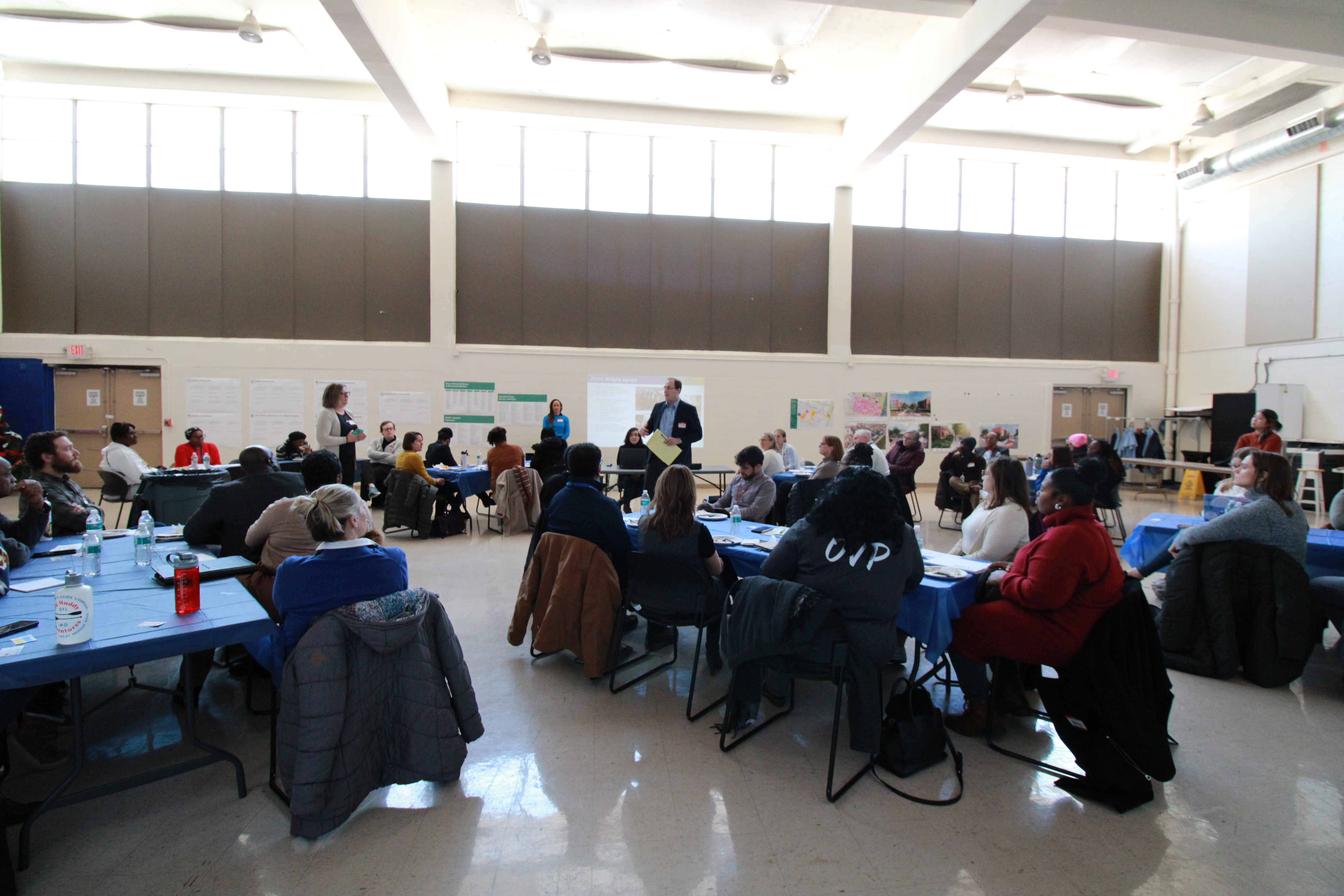
This development is a true collaboration between partner organizations and the residents of Clinton-Peabody. Regular meetings are held between developers and the Clinton-Peabody Tenant Advisory Board, which was created to ensure transparency for residents. This commitment to transparency is a key principle of the development team, along with inclusion and consistency. In addition to monthly community meetings, the Tenant Advisory Board also hosts events such as back-to-school events and community engagement events for both adults and children within Clinton-Peabody. These events aim to foster a sense of community and continuously involve residents in the redevelopment process.
Pamela Emrick, President of the Clinton-Peabody Tenant Advisory Board, expresses her excitement about being involved in the positive changes happening in their community. With the support of the development team and the active participation of residents, the Clinton-Peabody transformation is well on its way to becoming a reality.