

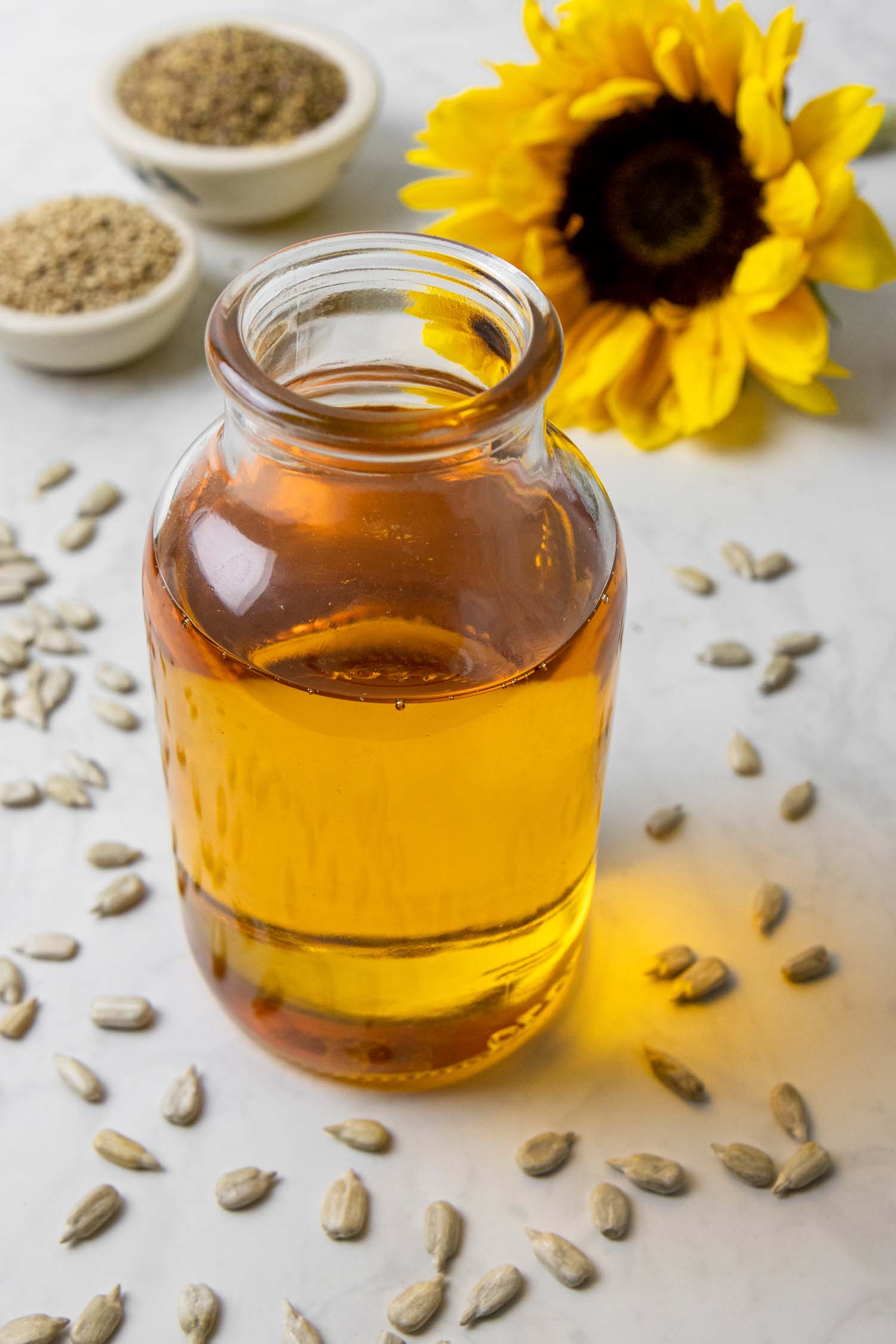
Are Seed Oils Really as Dangerous as the Internet Claims?
If you’ve been browsing through health and wellness content lately, you’ve probably come across some alarming headlines about seed oils like soybean, corn, canola, sunflower, and cottonseed. Words like “toxic” and “poisonous” are thrown around, but the truth is more complex than what the internet would have you believe. Before you start throwing out all your seed oils, let’s take a step back and look at what science has to say. While some seed oils should definitely be avoided, research shows that others can actually be beneficial for your health. The key is knowing which ones to choose. In this article, we’ll explore why industrially processed seed oils should be avoided at all costs and what alternatives you can use instead. We’ll also discuss the benefits of cold-pressed, organic seed oils like Udo’s Oil, which provide the perfect balance of omega fatty acids for your body. Let’s separate fact from fear-mongering and help you make informed, healthy choices.
What Exactly Are Seed Oils?
Seed oils are vegetable oils extracted from the seeds of various plants. These oils are cheap, highly processed, and often marketed as “heart-healthy.” They have become a staple in modern cooking, food manufacturing, and even beauty products. Some common examples include soybean oil, corn oil, canola (rapeseed) oil, sunflower oil, safflower oil, cottonseed oil, grapeseed oil, and rice bran oil. These oils can be found in almost every packaged food item, from chips and cookies to salad dressings and protein bars. However, this wasn’t always the case. The use of seed oils in our food system began in the early 1900s when companies like Procter & Gamble started refining cottonseed oil, originally used for machine lubrication, into a cooking fat called Crisco. This marked the beginning of seed oils infiltrating our food system, not because they were healthier, but because they were cheaper to produce and more profitable. However, a growing body of evidence suggests that these industrially refined seed oils may be doing more harm than good. That being said, not all seed oils are inherently harmful. In fact, cold-pressed organic seed oils can be a healthy addition to our diets.
The Real Issue with Seed Oils
Before we delve into the controversy surrounding seed oils, let’s first discuss what our bodies need to thrive. Every cell, tissue, gland, and organ in our bodies relies on two essential fatty acids: alpha-linolenic acid (ALA), an omega-3 fatty acid, and linoleic acid (LA), an omega-6 fatty acid. These polyunsaturated fats (PUFAS) are essential because our bodies cannot produce them on their own. We must obtain them through the foods we eat. In modern diets, seed oils are the most common sources of these essential fatty acids (mostly omega-6), along with foods like fatty fish, walnuts, chia seeds, and flaxseeds. These fatty acids are crucial for brain function and mood, hormone production, immunity, heart health, and blood pressure regulation. However, the key is to consume them in the right balance. The problem with seed oils is that they are high in omega-6 fatty acids, which can cause an imbalance when consumed in excess. This imbalance has been linked to various health issues, including inflammation, heart disease, and obesity. So, while seed oils may be a popular source of essential fatty acids, it’s important to choose them wisely and in moderation.


