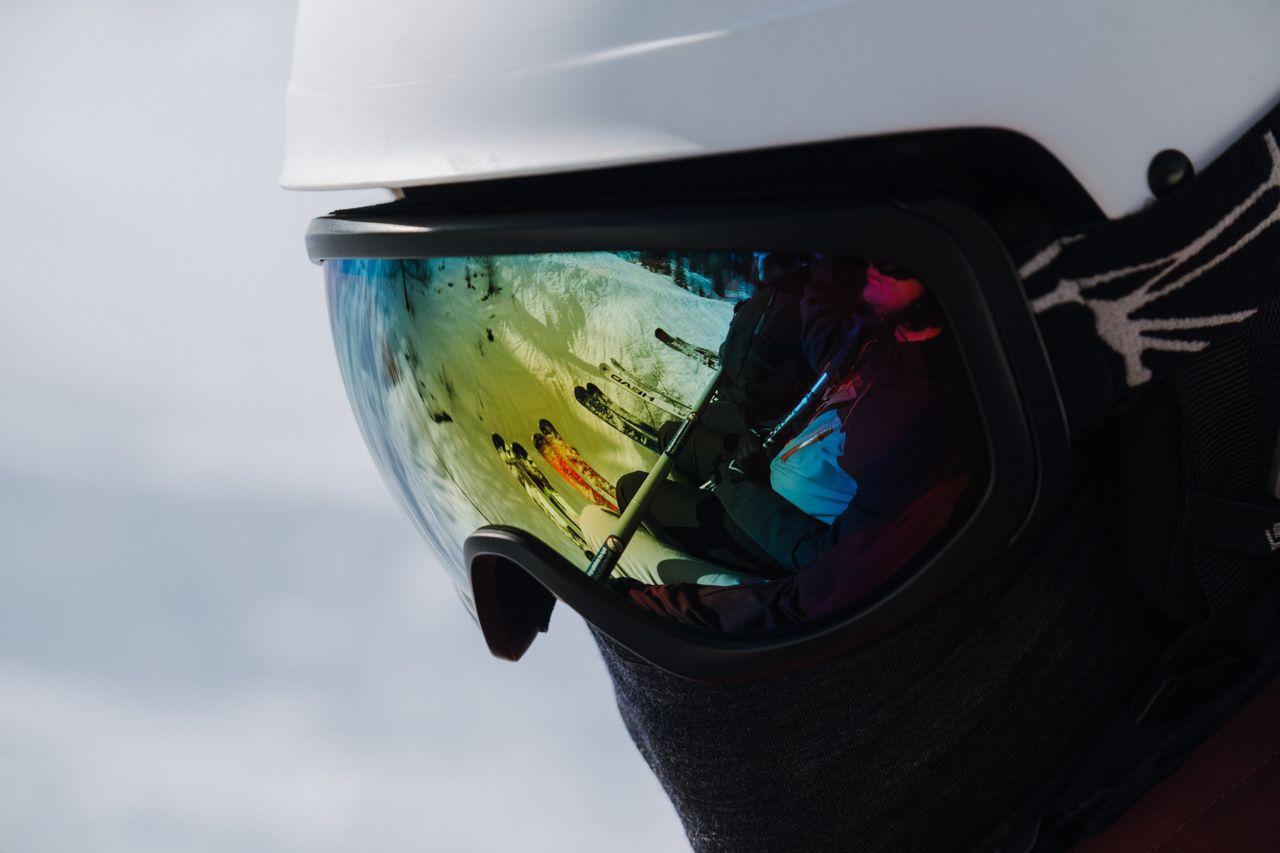
 Packing for a ski holiday is slightly different from packing for a normal winter break. You need to stay warm without becoming overloaded with bulky clothing, and there are several pieces of equipment and small accessories that can make a big difference once you reach the mountains.
The good news is that you do not need to take your entire winter wardrobe with you. The key is choosing practical layers, suitable footwear and a few essentials that will keep you comfortable on and off the slopes. For anyone booking a ski trip through a specialist such as Alpine Elements, it is also worth checking what equipment or services are already included before filling your suitcase.
A little planning before you leave can make the journey easier and help you avoid buying expensive essentials at the resort. If you want the fundamentals first, our general packing tips for smarter, lighter travel are a useful starting point before you get into ski-specific gear.
Start with the right ski clothing
The most important part of your packing list is your clothing.
Rather than relying on one very thick jumper or coat, it is usually better to use several layers. This gives you more flexibility when temperatures change during the day.
A typical ski outfit might include a thermal base layer, an insulating mid-layer and a waterproof outer layer. The base layer helps manage moisture, while the middle layer provides warmth. Your outer layer needs to protect you from snow, wind and moisture.
For most ski trips, you will want at least:
A thermal top and bottoms
A fleece or warm mid-layer
A waterproof ski jacket
Waterproof ski trousers or salopettes
Several pairs of ski socks
Warm everyday clothes for evenings
Avoid cotton as your main base layer if possible. It can absorb moisture and stay damp, which is not particularly comfortable in cold conditions.
Pack a good ski jacket and trousers
Your outer layers deserve particular attention because they are your main protection against the weather.
A good ski jacket should be waterproof, wind-resistant and warm enough for the conditions you expect. Features such as a hood, zipped pockets and snow skirts can also be useful.
Ski trousers need similar protection. Waterproofing becomes particularly important if you are likely to spend time sitting in snow, falling over while learning or skiing in wet conditions.
You do not necessarily need the most expensive clothing available. Focus on fit, weather protection and comfort rather than simply buying a premium brand.
Take enough ski socks
Socks are easy to overlook, but the wrong pair can make a surprisingly big difference.
Choose socks specifically designed for skiing or other cold-weather activities. They should provide warmth without being so thick that they make your boots uncomfortable.
It is better to pack several pairs rather than trying to reuse the same socks throughout the trip. Dry socks at the end of a long day can feel like a luxury.
Avoid wearing multiple thick pairs inside