 There is no denying that recycling is one of the most straightforward things we can do for the planet. Done right, it helps conserve natural resources, reduces pollution, and keeps waste out of landfills. According to the EPA, recycling and composting municipal solid waste saved over 193 million metric tons of carbon dioxide equivalent in a single year. But here is the catch: a lot of us are not doing it right. Around 25 to 30 percent of what ends up in recycling bins does not belong there, and those extras can contaminate an entire truckload of recyclables, sending the whole load straight to the landfill. These recycling tips will help you cut through the confusion so what you put in the bin actually gets recycled.
1
Do not be a wish-cycler
Wish-cycling is what happens when you toss something into the recycling bin hoping it will somehow get recycled, even though you are not sure it belongs there. It feels responsible in the moment, but it is actually one of the most common ways recycling loads get contaminated and rejected. Garden hoses, old Christmas lights, boomboxes, and bowling balls do not become recyclable just because they land in the blue bin. They clog sorting machinery and delay processing at recycling facilities. If an item is still in decent shape, donate it to a local thrift store or charity so it can be reused. If it is broken and non-recyclable, it belongs in the trash.
“When in doubt, throw it out. One contaminated item can ruin an entire truckload of recyclables.”
2
Do not recycle anything smaller than a credit card
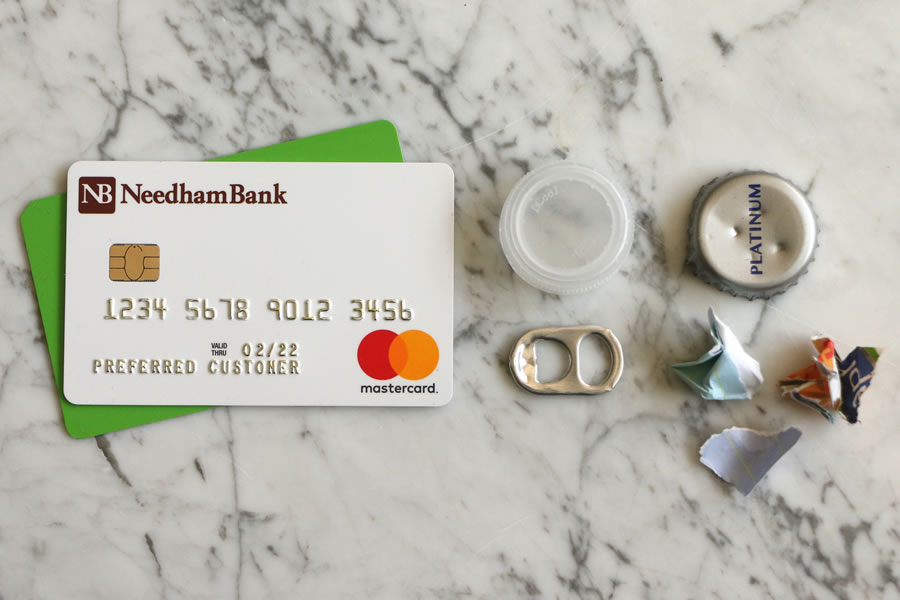
Small pieces like bottle caps, shredded paper scraps, and soda can tabs can jam recycling machinery and slip through sorting screens. The credit card test is your friend here: if an item is smaller than a standard credit card, skip the recycling bin and put it in the trash. It sounds counterintuitive when you are trying to do the right thing, but getting small items into the waste stream correctly matters more than the gesture of recycling them.
Use the credit card test: if an item is smaller than a credit card, it goes in the trash, not the recycling bin.
3
Keep things loose and never bag your recyclables
Bagging recyclables creates a problem at the sorting facility, especially when the bag itself is not recyclable. Workers cannot see what is inside, and bags wrap around machinery and cause shutdowns. Keep everything loose in the bin unless your local recycling program specifically tells you otherwise. The one exception is shredded paper, which can be placed inside a paper bag before going in the bin to keep the small pieces contained.
4
Empty, clean, and dry: make it your recycling motto
Food and drink containers make up the bulk of most household recycling, and they are also the most common source of contamination. A single food-soiled container can taint an entire truckload. Before anything goes in the bin, ask yourself: is it empty, clean, and dry? That sticky peanut butter jar, the ketchup b