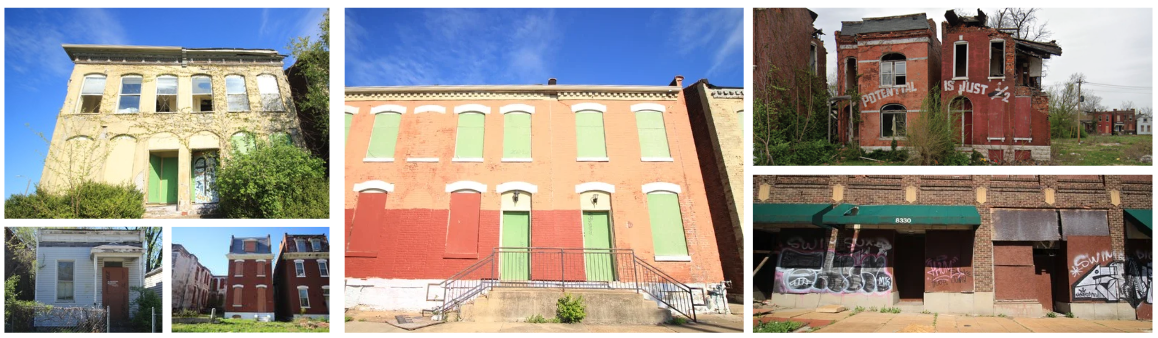
 The City of St. Louis Community Development Administration (CDA) is seeking proposals from nonprofit organizations, neighborhood associations, and community development corporations (CDCs) for innovative programs and strategies to reduce and prevent vacant and blighted property across St. Louis.Up to $300,000 is available through the competitive Vacant Building Initiative Fund NOFA. CDA anticipates making a small number of large awards that can be leveraged with additional public and private resources to create meaningful neighborhood impact. The funding opportunity follows the passage of Proposition V by St. Louis voters in November 2024 and subsequent City legislation strengthening enforcement of vacant and deteriorated properties. Proposition V removed the City Charter’s longstanding cap on fines for vacant and deteriorated properties, allowing the City to increase penalties for property owners who fail to maintain their properties.Under Ordinance 71990, revenue collected from certain increased vacant-property fines is deposited into the City’s new Vacant Building Initiative Fund. Half of the funding supports increased vacant-property code enforcement, while the other half is distributed to CDA to provide grants that reduce and prevent vacant and blighted property.CDA is intentionally seeking a broad range of approaches. Organizations may propose programs and strategies that address existing vacancy or help prevent properties from becoming vacant and blighted. Proposals could include advocacy, neighborhood-based efforts on vacant and problem properties, as well as new strategies. Funding may not be used for housing development or rehabilitation or for street-related improvements.The funding opportunity builds on the CDA-funded Vacancy Strategy Initiative, a two-year effort led by the STL Vacancy Collaborative that brought together data analysis, working groups, and community partners to better understand the causes, costs and impacts of vacancy in St. Louis.The findings informed “From Policy to Progress: A Ten-Year Strategy to Reduce Vacancy in the City of St. Louis,” released by the STL Vacancy Collaborative and CDA in 2025. Through the Vacant Building Initiative Fund NOFA, eligible organizations can seek funding to carry out practices and recommendations identified in the report, expand existing efforts, or pursue new approaches to reduce and prevent vacancy.The Vacancy Strategy Initiative found more than 24,000 vacant parcels citywide and documented the significant financial impact of vacancy, including an estimated $310 million in lost property value and unrealized family wealth, $25 million in lost potential annual real estate tax revenue, and approximately $20 million each year in City services associated with maintaining vacant property.Excerpt from “From Policy to Progress: A Ten-Year Strategy to Reduce Vacancy in the City of St. Louis.”Of the nearly 9,000 vacant buildings identified in St. Louis, about 1,000 are owned by the Land R
Vacant Building Initiative Fund